





During the golden years of Mediterranean dolce vita, from Cannes to Saint-Tropez, Brigitte Bardot did not only reign over cinema screens—she ruled the sea. Her true stage was the crystalline blue of the Riviera, and her throne a Riva Aquarama slicing through the water at 50 knots, between secret coves and legendary beach clubs born from humble film crew huts.
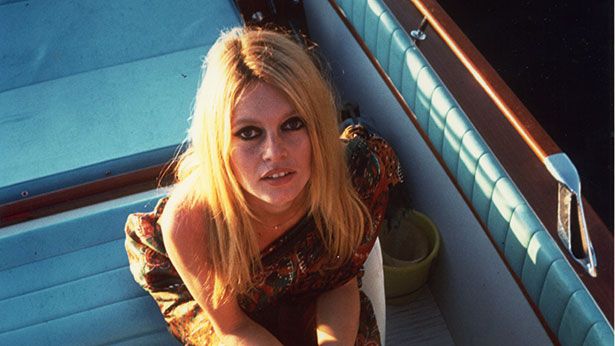
When the Riva Aquarama debuted in 1962, it instantly transcended its role as a motorboat. It became the symbol of an era—mobile, glamorous, untamed. Bardot embodied this spirit effortlessly: provocative yet natural, stretched out on colourful stern cushions, redefining aquatic luxury. This was not about performance alone, but about attitude—a lifestyle merging Italian craftsmanship, jet-set glamour, and the raw beauty of a still-unspoiled Mediterranean.
The Diva’s Fleet
Brigitte Bardot’s connection with Riva was not incidental. She owned at least three iconic models, each marking a chapter of her personal mythology.
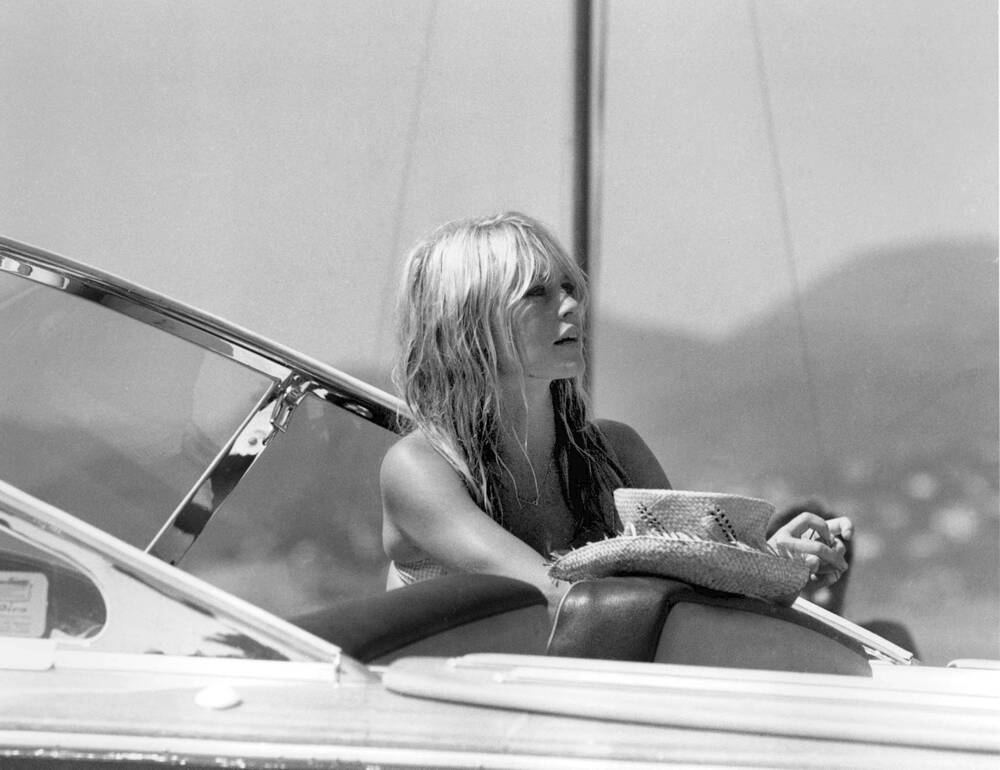
Her first was the Riva Super Florida Nounours (hull no. 341), a gift from her first husband, director Roger Vadim. Purchased in Monaco in 1959, it became her faithful companion at La Madrague, her Saint-Tropez sanctuary. Nounours—French for “teddy bear”—witnessed intimate escapes and moments of freedom along the Riviera. Its sale at RM Sotheby’s Villa Erba auction in 2015 for $155,000 only reaffirmed its legendary status.
She also owned a Riva Junior, smaller but no less iconic. It perfectly suited her spontaneous spirit—quick dashes across the bay, casual glamour, and an aura that would inspire generations long before the age of influencers.

Yet the most mythic Riva linked to Bardot was Dracula, the Aquarama owned by her third husband, Gunther Sachs. The German industrialist and founder of the Dracula Club famously navigated Saint-Tropez harbour in a tuxedo and black cape, immortalised in photographs from 1966. Their romance unfolded aboard this mahogany masterpiece, which became the floating emblem of their extravagant Mediterranean life during their marriage from 1966 to 1969. At the time, Riva was universally hailed as the “Rolls-Royce of the sea.”
An Era That Cannot Be Repeated
The 1960s and 1970s marked the pinnacle of a carefree luxury that feels impossible to recreate today. Rivas were not merely boats—they were extensions of their owners’ identities. Royals, industrialists, and cinematic icons chose them as symbols of post-war freedom and optimism, long before Saint-Tropez transformed into a global hotspot.
Before mass tourism reshaped the coast, there existed a perfect alchemy: a French icon captivating the world, Italian artisanal excellence, and a Mediterranean that still felt wild and intimate.
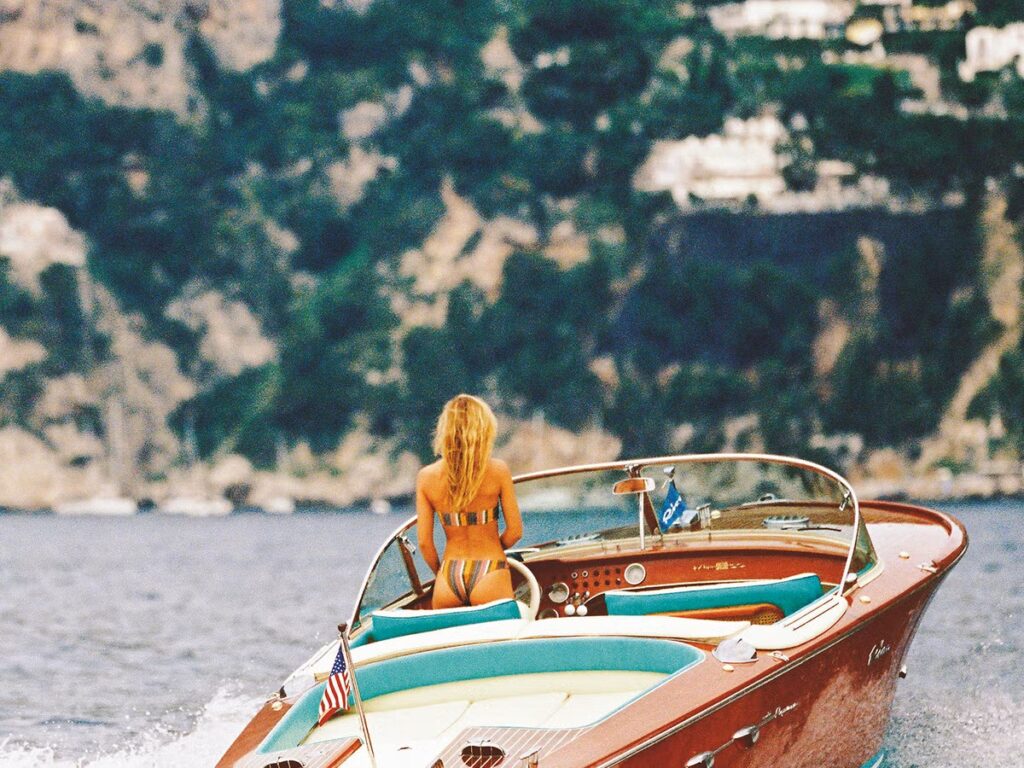
Brigitte Bardot, wind in her hair and salt on her skin, was not simply boating. She was defining a visual language—freedom, sensuality, effortless beauty—that would shape the global imagination of la dolce vita forever.
Today, when restored Rivas glide once more along the Riviera, they carry more than passengers. They carry memory. They evoke a lost paradise, when luxury meant spontaneity rather than excess—and when a woman and her boat could become eternal symbols of Mediterranean legend.